

Why Every Gen Xer Has a Weird Relationship With Nostalgia
It's not that we think everything was better. We just remember when everything was different.

Every generation gets nostalgic eventually.
At some point, everyone starts saying things like, "They don't make them like they used to," while standing in a hardware store trying to figure out why a refrigerator suddenly needs Wi-Fi.
But there's something slightly different about people who grew up in the strange little window between the analog world and the digital one.
Not because it was perfect. It absolutely wasn't.
We remember getting sunburned because nobody believed in sunscreen over SPF 4. We remember television commercials loud enough to wake the dead. We remember cars that could probably be defeated by a moderately enthusiastic squirrel.
We remember calling someone's house and having to talk to their parents first.
The nostalgia isn't really about wanting to go back. It's about remembering what it felt like when life wasn't filtered through a screen.
We Were the Last Generation to Disappear for the Entire Day
Kids today have location sharing. We had "be home before the streetlights come on."
That was the whole safety plan. Parents didn't know where we were. Friends didn't know where we were. The government certainly didn't know where we were.
You got on your bike and vanished into the neighborhood for eight hours. Somehow civilization survived.
The freedom was incredible. The danger was probably slightly higher than necessary. But it created a generation that learned how to entertain itself.
- We made up games.
- We explored empty lots.
- We built questionable ramps.
- We drank from garden hoses and somehow developed personalities instead of content strategies.
That independence still shows up today. It's one reason so many of us have a strong allergic reaction to being told what we're supposed to like, wear, think, or post.
We Grew Up Alongside Pop Culture Instead of Algorithms
One of the strangest things about nostalgia is how much of it is connected to shared experiences.
Everybody watched the same shows. Everybody heard the same songs. Everybody quoted the same movies. If you missed something, you actually missed it.
There wasn't a streaming service waiting patiently for you to catch up three years later. There wasn't a recommendation engine serving you content based on your previous content.
Sometimes they were right. Sometimes they were absolutely not. But the discovery felt personal.
That's why people still smile when they hear an old song or see a reference to a favorite movie. It's not just the media itself. It's the memory of who we were when we first experienced it.
Nostalgia Isn't About the Past. It's About Identity.
People often assume nostalgia means wanting to relive your youth. Most of us wouldn't survive a second round of middle school.
Nostalgia isn't about wanting to go backward. It's about reconnecting with the parts of yourself that got buried under responsibilities.
The people who never really went away
- The kid who loved horror movies.
- The teenager who spent entire paychecks on concert tickets.
- The gamer who stayed up all night trying to beat one impossible level.
- The music fanatic. The weird art kid. The class clown.
- The troublemaker. The dreamer.
That's Probably Why We Still Love Graphic Tees
A graphic tee is a weirdly efficient form of communication. In one design, you can tell people what music you love, what movies shaped your personality, whether you're sarcastic, whether you're a gamer, whether Halloween is a holiday or a lifestyle, and whether you trust dogs more than humans. Sometimes all at once.
Graphic tees have survived every fashion trend because they aren't really about fashion. They're about identity. They're little wearable billboards that say:
For people raised on individuality and self-expression, that's always going to matter.
We Remember a Time Before Everything Became Content
This might be the biggest difference of all. Not every moment was documented. Not every meal was photographed. Not every opinion was broadcast.
Some experiences simply happened. Then they became stories. Sometimes those stories got better with age. Sometimes they became complete nonsense. Either way, they belonged to the people who lived them.
- A concert existed because you were there.
- A road trip existed because you remembered it.
- A joke existed because your friends repeated it until everyone was sick of hearing it.
Life felt temporary. And weirdly, that's what made it memorable.
Why Nostalgia Still Matters
Nostalgia gets dismissed as looking backward. But maybe it's actually about carrying the best parts of the past forward.
What we're really holding onto
- The humor.
- The independence.
- The creativity.
- The weirdness.
- The ability to laugh at yourself.
- The appreciation for things that weren't polished by committees and optimized by algorithms.
- The belief that personality matters more than perfection.
Those ideas still resonate because they were never really tied to a decade. They're human. The technology changes. The clothes change. The slang changes. People don't change nearly as much as we pretend they do.
The Bottom Line
Maybe that's why nostalgia feels different for us. It isn't about wishing the world would go backward. It's about remembering a time when life felt a little less curated, a little more accidental, and a lot more personal.
At MindPop Threads, that's a big part of what inspires what we create. Whether it's retro pop culture, sarcastic humor, gaming references, Halloween weirdness, music nostalgia, animal lovers, menopause humor, or designs that simply make us laugh — it all comes from the same place.
Featured From the Shop
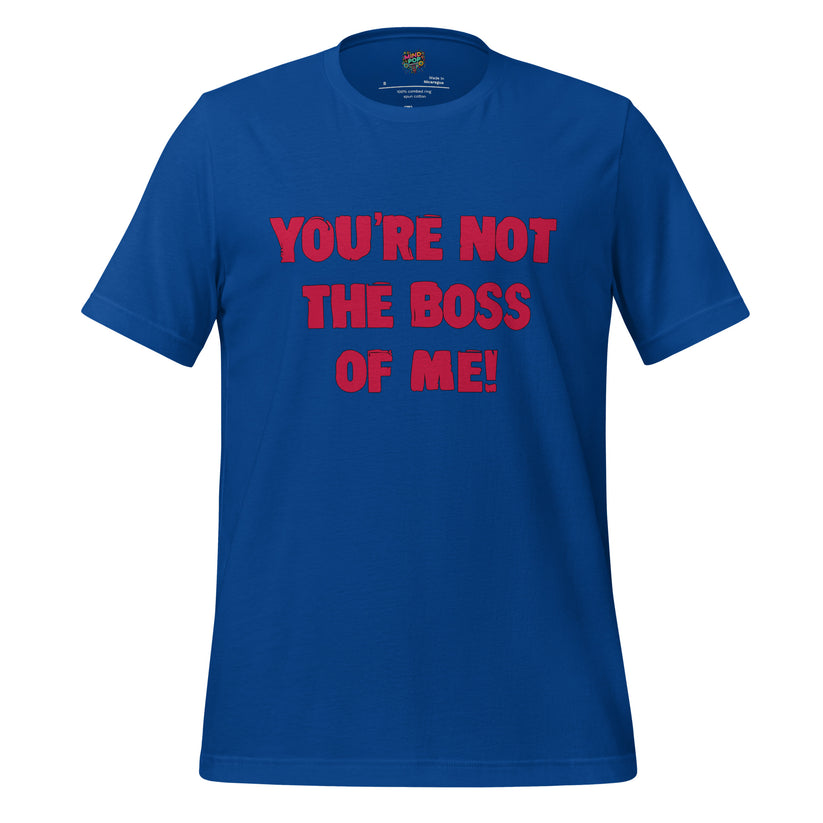
You're Not the Boss of Me
You can still hear it echoing through the house. Somewhere, your sister is yelling at your parents. You're thinking: high school must be hard.
Shop this →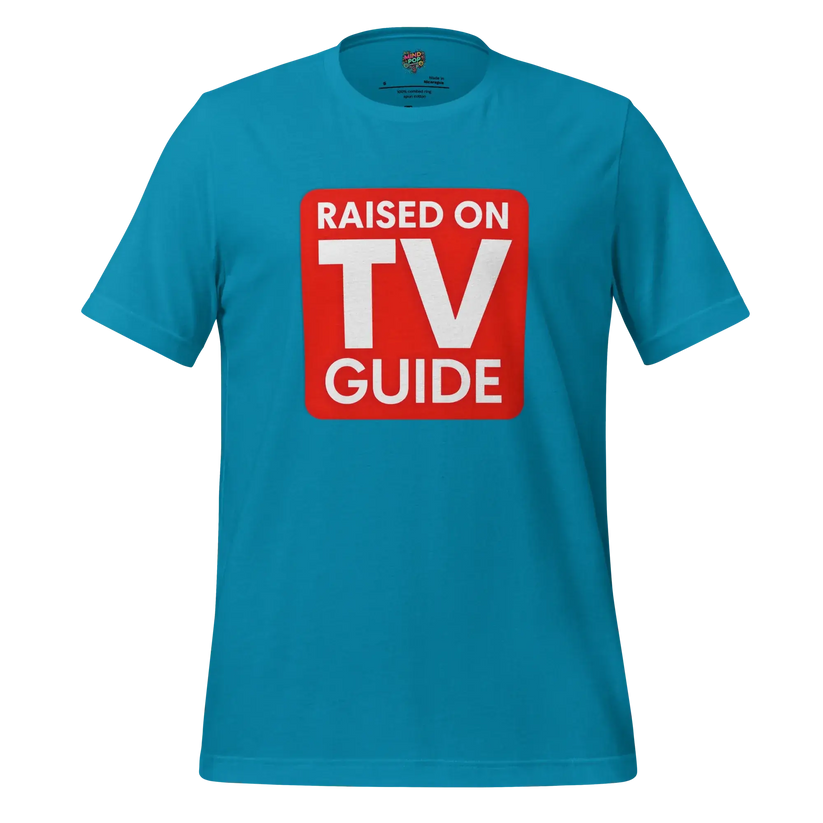
Raised on TV Guide
Mom called it the idiot box. But Grandma? Grandma had the TV Guide. And ALL the channels. Going to her house was everything.
Shop this →Personality Never Goes Out of Style
Browse the Full Lineup →